
Join us as we dive over the prison wall and take a look at the 15 most infamous prisoners held inside London’s Brixton Prison.
15 – Pearse McAuley
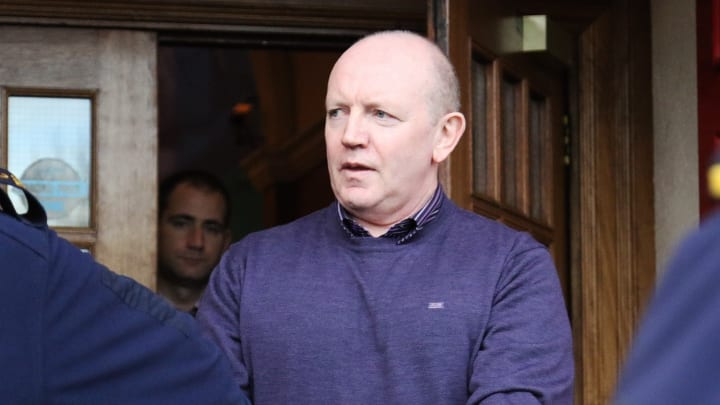
This Provisional IRA member became one of the most famous inmates at Brixton between 1991 and 1992 after planning a daring escape while being held on remand.
In 1991, McAuley was in Brixton Prison in London, awaiting trial on charges related to a suspected plot to assassinate Sir Charles Tidbury, a former brewery company chairman.
On July 7th, 1991, he and his cellmate, Nessan Quinlivan, escaped from the prison. The escape involved the two men shooting their way out.
Following the escape, the Crown Prosecution Service later announced it would not seek his extradition on the charges related to the Brixton Prison escape.
14 – Cahir Healy

A politician who was imprisoned on two separate occasions, his first stint inside prison occurred in May 1922. Healy was a leading member of the Sinn Féin movement in Ulster and was appointed to a provisional government’s north-eastern advisory committee.
His membership on this committee and his efforts to prepare a case for Fermanagh to be included in an Irish state led to him being viewed as a threat by unionist authorities.
He was imprisoned on a converted cargo vessel in Belfast Lough, the Argenta, along with about 500 other republican suspects. Healy claimed his arrest was for political reasons, specifically for his work in preparing the case for Fermanagh and Tyrone’s inclusion in the Irish Free State.
He remained in custody until February 1924, despite being elected as an MP in the UK general elections of 1922 and 1923. The second internment took place in July 1941, during World War II.
Healy was interned in Brixton prison for eighteen months under the Defence of the Realm Act. His internment was a result of a letter he wrote to a parish priest in Fermanagh that was intercepted, in which he discussed the likelihood of a German victory.
13 – Mick Jagger
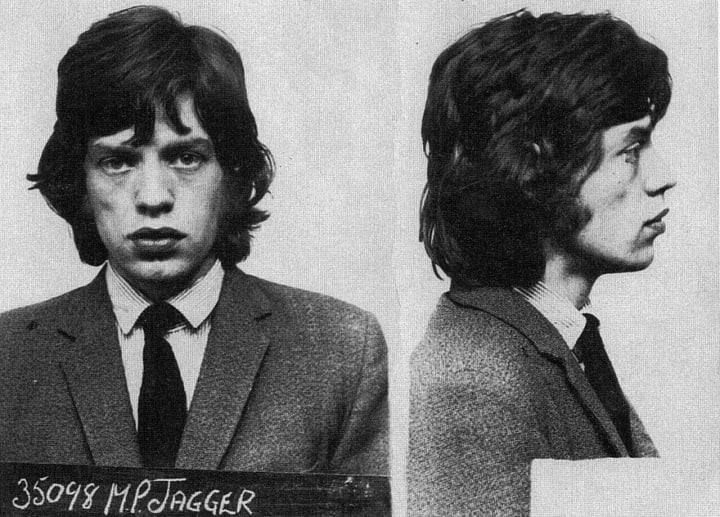
In 1967, Mick Jagger was arrested on drug charges after a police raid on fellow Rolling Stones member Keith Richards’s home, Redlands, in West Sussex, England.
The raid was tipped off by a reporter from the tabloid newspaper, News of the World, which was already in a legal dispute with Jagger over a previous story.
On February 12th, 1967, a large group of police officers, led by Detective Sergeant Norman Pilcher, raided the Redlands party. The police found very little evidence of illegal activity.
Jagger was charged with the illegal possession of four amphetamine pills he had purchased in Italy, and Richards was charged with allowing his home to be used for the purpose of smoking cannabis. An art dealer, Robert Fraser, was also charged with possessing heroin.
During the court case, the prosecution tried to portray the party as a wild, drug-fueled event, with a particular focus on the fact that Jagger’s girlfriend, Marianne Faithfull, was found naked and wrapped in a fur rug.
This detail was widely sensationalized by the press, most famously spawning the apocryphal “Mars Bar” rumor. On June 29th, 1967, Jagger was sentenced to three months in prison for possession of amphetamines, while Richards received a one-year sentence.
Following his conviction, Mick Jagger was taken in handcuffs to Brixton Prison, where he spent one night in a cell. Richards was sent to Wormwood Scrubs prison. Both were granted bail the following day pending an appeal.
The harsh sentences sparked a public outcry. On July 1st, 1967, a now-famous editorial by William Rees-Mogg, the editor of The Times, was published under the headline “Who Breaks a Butterfly on a Wheel?”.
The editorial argued that Jagger’s sentence was excessively severe and that he was being unfairly treated as a scapegoat for his generation’s changing morals.
This influential piece of journalism is widely credited with helping to sway public opinion and ultimately influencing the appeals court’s decision. On July 31st, 1967, the court of appeals overturned Richards’ conviction and reduced Jagger’s sentence to a conditional discharge.
12 – Bertrand Gachot
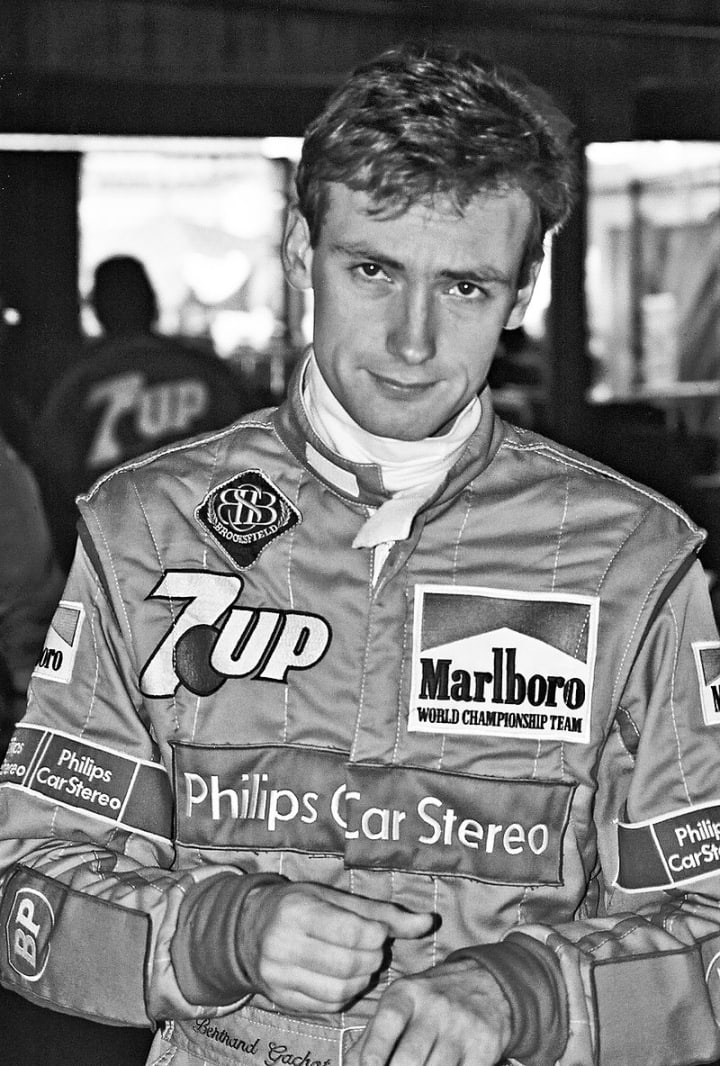
In 1991, Formula One driver Bertrand Gachot was convicted and sentenced to prison following a road rage incident. The event led to a major turn in F1 history when he was replaced by a then-unknown driver, Michael Schumacher, who would go on to become a seven-time world champion.
The incident occurred in December 1990 at Hyde Park Corner in London. Gachot, on his way to a meeting, was involved in a minor collision with a taxi driver. A verbal and physical altercation ensued.
Gachot claimed that the taxi driver threatened him and grabbed his tie, at which point he sprayed the man in the face with a CS gas (tear gas) canister, which is illegal in the UK. He was arrested and charged with assault occasioning actual bodily harm and possession of a prohibited weapon.
In August 1991, Gachot’s case went to trial. Despite his lawyers’ belief that he would receive a fine or a suspended sentence, he was sentenced to 18 months in prison.
He was taken to Brixton Prison, which he described as a harsh environment where he was locked in his cell for 23 hours a day with no table, no toilet, and no control over the light.
After a period in Brixton, he was moved to another, less severe prison. The unexpected prison sentence meant he would miss the upcoming Belgian Grand Prix, which created a sudden vacancy at the Jordan Grand Prix team.
Gachot served two months of his sentence before his conviction was reduced on appeal. He was released just before the Japanese Grand Prix but had already lost his seat at Jordan.
11 – Nessan Quinlivan
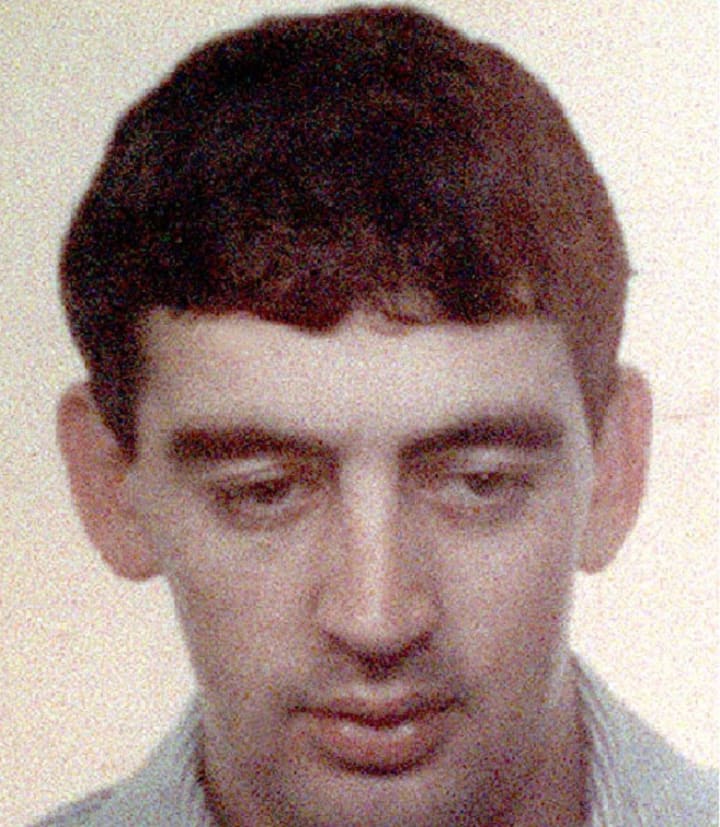
A member of the Provisional Irish Republican Army, Quinlivan was arrested in October 1990 at Stonehenge, Wiltshire, alongside his cellmate Pearse McAuley, after a year-long search by the anti-terrorist squad.
He was charged with conspiracy to murder and conspiracy to cause explosions. He was then held on remand in Brixton Prison, however, On July 7th, 1991, Quinlivan and McAuley escaped.
They were attending Catholic Mass and were being escorted back to their unit when McAuley produced a gun that had been smuggled into the prison in a training shoe. The two men took a prison officer hostage, fired shots, and used the officer’s keys to access the main part of the prison.
They then scaled the prison wall, which was topped with razor wire, and escaped into a nearby residential area. During their escape, they shot and wounded a prison officer and a civilian, the driver of a car they commandeered.
They abandoned the car after finding their route blocked and took a taxi to an underground station. After the escape, Quinlivan fled to the Republic of Ireland. He was arrested there in April 1993 on firearms charges and was sentenced to four years in prison.
He was later released from prison in November 1996 as part of an early release program for republican prisoners. The British government sought his extradition to face the original charges of conspiracy to murder and to cause explosions, as well as the new charges related to the escape.
However, in August 2009, the Crown Prosecution Service announced that it was no longer seeking the extradition of either Quinlivan or McAuley, citing reasons including the length of time since the acts took place and the availability of evidence.
10 – Marian Price

Marian Price was an Irish republican activist who was involved in a bombing campaign in London in 1973. Along with her sister Dolours, she was a member of a Provisional Irish Republican Army unit that placed four car bombs in London on March 8, 1973.
The bombs targeted the Old Bailey courthouse and an army recruitment center, injuring over 200-people including one who died from a heart attack.
Marian Price and her sister, along with seven other members of the unit, were arrested as they were boarding a flight to Ireland on the day of the bombing. They were subsequently tried and convicted at Winchester Castle on November 14th, 1973, and sentenced to two life terms.
Immediately following her sentencing, Price and her co-defendants went on a hunger strike. Their goal was to be transferred to a prison in Northern Ireland, where they believed they would be granted “Special Category Status,” a status they considered to be a form of political prisoner status.
This would have allowed them certain rights, such as wearing their own clothes and not being forced to perform prison labor.
The hunger strike lasted for over 200-days, during which time Price was held at Brixton Prison. For one hundred and sixty seven of those days, she was force-fed by prison authorities. The force-feeding caused her to suffer from anorexia and tuberculosis, and her weight dropped significantly.
In 1980, after serving seven years of her sentence, Marian Price was released from prison on a “Royal Prerogative of Mercy” due to her severe ill health, which was deemed life-threatening. She was transferred to a prison in Northern Ireland before her release.
9 – Jimmy Moody
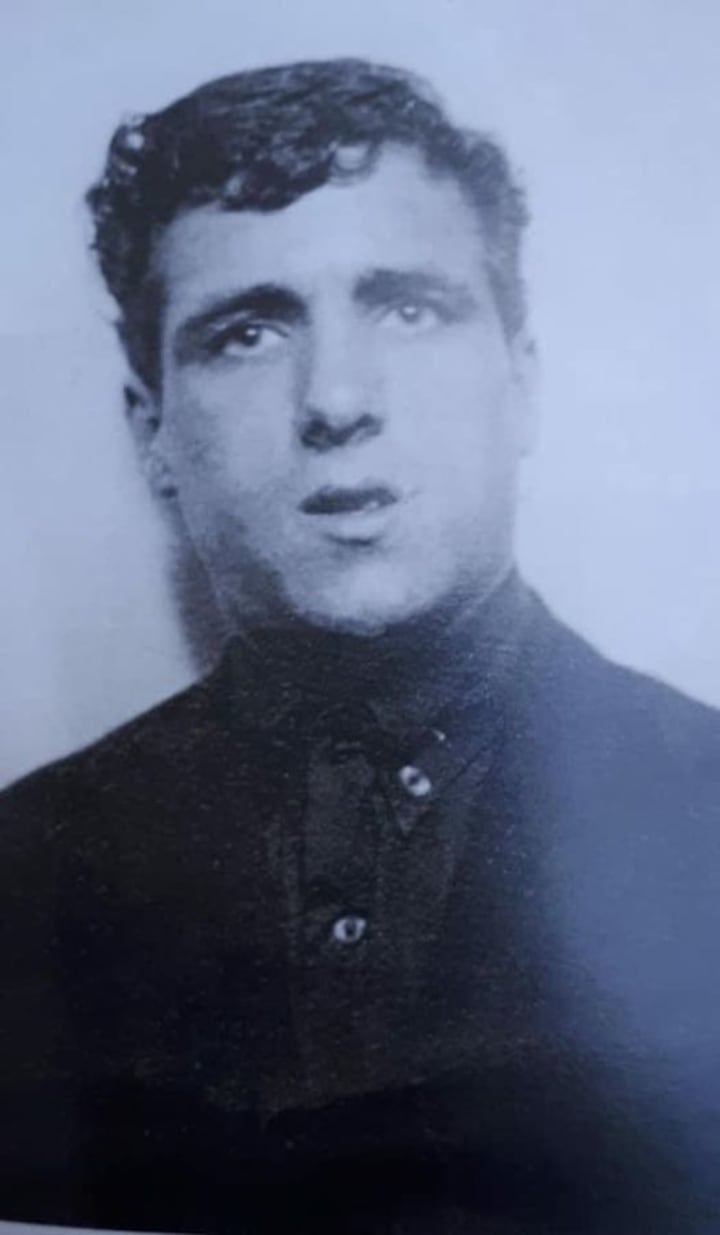
In the 1970’s, Jimmy Moody was both an English gangster and hitman best known for being a member of a criminal group known as the “Chainsaw Gang,” which was involved in armed robberies. In 1980, Moody was in Brixton Prison awaiting trial for his role in the gang.
While incarcerated at Brixton, Moody and two other inmates—Gerard Tuite, a member of the Provisional Irish Republican Army (IRA), and a man named Stanley Thompson—escaped on December 17, 1980. The escape involved tunneling from a cell into the prison yard and then scaling the outer wall.
Moody was never recaptured. After his escape, he became a hired assassin for the IRA, despite not having any political convictions himself. He remained on the run until he was murdered in 1993.
8 – Udham Singh

Udham Singh, an Indian revolutionary, was known for assassinating Michael O’Dwyer, the former lieutenant governor of the Punjab in India. The assassination was an act of retaliation for the Jallianwala Bagh massacre in Amritsar in the year 1919, for which O’Dwyer was responsible.
On March 13th, 1940, O’Dwyer was scheduled to speak at a meeting at Caxton Hall, London. Udham Singh attended the event with a concealed revolver inside a book with cut-out pages.
As the meeting concluded, Singh shot O’Dwyer twice, with one bullet killing him instantly. Singh also wounded three others in the shooting: Louis Dane, Lord Zetland, and Lord Lamington. Singh was immediately arrested at the scene.
On April 1st, 1940, Singh was formally charged with murder and remanded in custody at Brixton Prison. While in prison, he used the name Ram Mohammad Singh Azad, which reflected his anti-colonial beliefs. He also went on a hunger strike for 36 days. During this time, he was force-fed by authorities.
Udham Singh’s trial began on June 4th, 1940. He was convicted and sentenced to death. Despite a court appeal that was dismissed, he was hanged on July 31st, 1940, at Pentonville Prison, London.
7 – Oswald Mosley
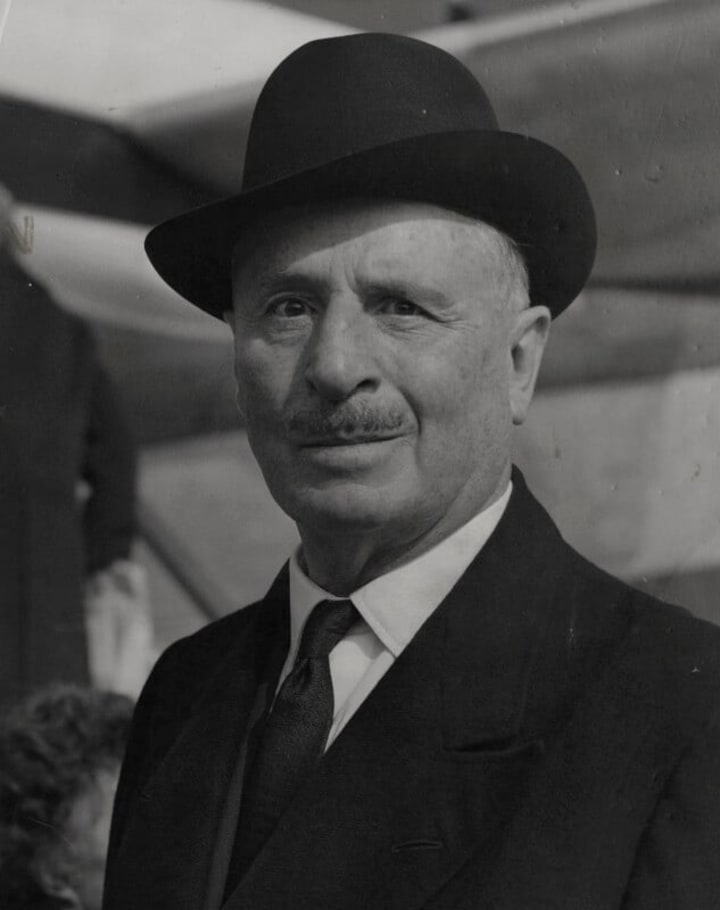
Oswald Mosley was a British politician and the founder and leader of the British Union of Fascists, a political party formed in 1932 and later changing its name to hanged its name to the National Socialists in 1936 and 1937.
He was not arrested for a specific crime like assault or theft, but rather was interned by the British government at the outbreak of World War II under wartime emergency regulations.
Mosley’s “crime” was being the leader of a British fascist organization that was seen as a potential threat to national security, particularly in the event of a German invasion.
His British Union of Fascists, also known as the Blackshirts, openly espoused antisemitic and pro-Nazi ideology. The organization’s activities, which included provocative rallies and street violence, were a source of concern for the British authorities.
Following the outbreak of World War II, and with the Battle of France underway, the British government passed Defence Regulation 18-B. This law allowed for the arrest and detention of individuals suspected of being a threat to the country, without the need for a trial.
Under this regulation, on May 23rd, 1940, Mosley and his wife, Diana Mosley, along with many other high-ranking members of the BUF, were arrested.
Oswald Mosley was initially taken to Brixton Prison. His time there was part of a larger internment of hundreds of BUF members. The conditions for these internees were a subject of some controversy, as some reports suggested they were given preferential treatment, such as being allowed to smoke and play sports.
In December 1940, Mosley was transferred to Holloway Prison, where he was able to live with his wife, Diana, in a private house on the prison grounds. This special arrangement was granted due to his ill health. Mosley’s time in prison ended in November 1943 when he was released on the grounds of poor health.
The decision to release him was met with public outrage and led to a large-scale political debate in the House of Commons. Critics argued that his release was an injustice and a betrayal, particularly given the ongoing war against Nazi Germany.
After his release, Mosley was placed under house arrest and was forbidden from engaging in political activity. His reputation was irrevocably tarnished by his association with fascism and his political career was effectively over. He moved abroad after the war, living for many years in France and Ireland.
6 – Terence MacSwiney
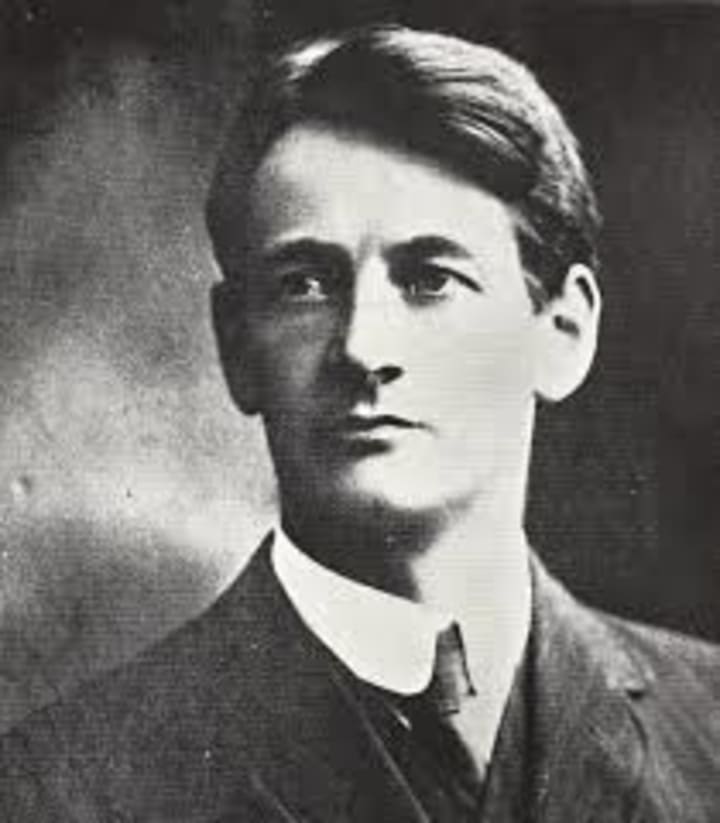
MacSwiney was a key figure in the Irish republican movement. He was the Lord Mayor of Cork and a commandant of the Irish Republican Army in the city.
On August 12th, 1920, he was arrested in Cork City Hall for possessing “seditious articles and documents” and a cipher key for coded messages. The British authorities viewed his activities as a threat to their rule in Ireland.
After his arrest, MacSwiney was court-martialled and sentenced to two years in prison. He was then transported to England and placed in Brixton Prison.
From the day of his arrest, MacSwiney began a hunger strike, refusing to eat in protest of his imprisonment and the authority of the British military court that sentenced him. He declared, “I shall be free, alive or dead, within the month.”
His hunger strike drew immense international attention, turning him into a symbol of the Irish struggle for independence.
The British government faced growing pressure from around the world to release him, with protests and appeals for intervention from countries in Europe, the Americas, and even the Vatican. His case became a major propaganda coup for the Irish republican cause.
As his health deteriorated, the British authorities considered force-feeding him. However, they ultimately decided against it due to the potential backlash.
Terence MacSwiney died in Brixton Prison on October 25th, 1920, after 74-days on hunger strike. His body was laid in a London cathedral where tens of thousands of people paid their respects.
5 – Imran Ahmad Khan
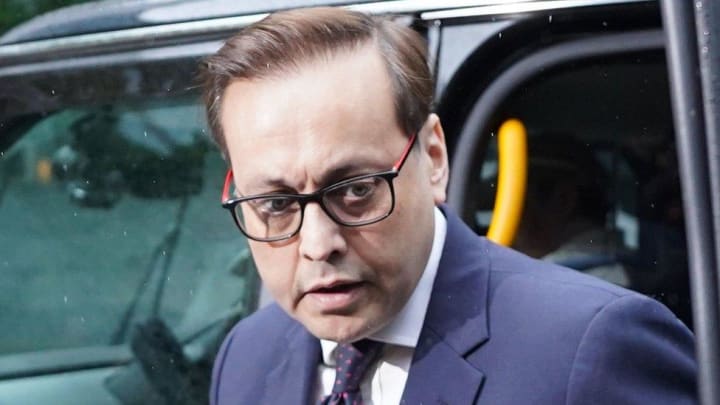
A former British Member of Parliament, Khan was convicted of a sexual offense that occurred before he was elected to office.
The assault took place in January 2008 at a party at a house in Staffordshire. According to the court case, Khan forced the boy to drink gin and tonic, dragged him upstairs, and pushed him onto a bed before assaulting him.
The victim did not make a formal complaint at the time, but the details of the incident “all came flooding back” after Khan was elected as an MP in the 2019 general election.
The victim then went to the police. Khan was charged in June 2021 and, following a trial at Southwark Crown Court, was found guilty in April 2022. He resigned as an MP a month later, on May 3rd, 2022.
On May 23rd, 2022, Imran Ahmad Khan was sentenced to 18 months in prison. He was taken to Brixton Prison to serve his sentence. The judge in the case, Mr. Justice Jeremy Baker, stated that Khan had shown no remorse for his actions.
Khan’s legal team launched an appeal against both his conviction and sentence. In December 2022, his appeal was dismissed by the Court of Appeal. He was released from prison in February 2023, after serving nine months, which is half of his 18-month sentence.
4 – Stephen Bear

Stephen Bear, an English television personality, was convicted of a sexual offense that involved sharing a private sexual video of his former girlfriend, Georgia Harrison.
The incident occurred in August 2020, when Bear and Harrison had consensual sex at his home in Loughton, Essex. The act was recorded on Bear’s CCTV cameras without Harrison’s knowledge.
After the encounter, Harrison told Bear not to share the footage, but he later uploaded it to his OnlyFans account and also shared it on WhatsApp. According to the court, Bear was motivated by a desire to profit from the footage, as he had monetized his OnlyFans account.
He was charged with voyeurism and two counts of disclosing private sexual photographs and films with the intent to cause distress. He was found guilty by a jury in December 2022.
On March 3rd, 2023, Bear was sentenced to 21 months in prison. He was initially sent to HM Prison Chelmsford but was later transferred to HM Prison Brixton in August 2023.
In addition to his prison sentence, he was also ordered to sign the sex offender register for 10 years and was given a restraining order that prevents him from contacting Harrison for five years.
He was released from prison early, on license, on January 17th, 2024, after serving a little over 10 months of his sentence.
3 – Archibald Maule Ramsay
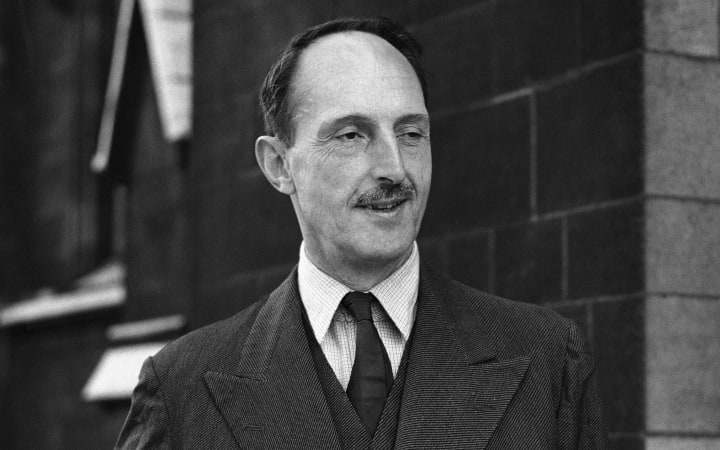
Ramsay’s imprisonment stemmed from his leadership of a group called the “Right Club.” The group’s stated purpose was to “oppose and expose the activities of Organised Jewry.”
The group was formed in 1939 and its members were considered antisemitic and pro-fascist. The motto of the club was “Perish Judah.”
Ramsay was involved with Tyler Kent, a cypher clerk at the American Embassy in London, who was stealing top-secret documents. Ramsay planned to leak correspondence between Winston Churchill and Franklin Roosevelt with the intention of discouraging US support for Britain in the war.
British intelligence services had already infiltrated the Right Club and were aware of these activities. Ramsay was arrested on May 23rd, 1940, under Defence Regulation 18B. He was the only sitting British MP to be interned under this regulation.
Following his arrest, Ramsay was lodged in Brixton Prison. He was imprisoned along with other right-wing extremists, including Oswald Mosley.
The government’s decision to intern Mosley and other BUF members, as well as Ramsay, was a response to the perceived threat they posed to national security as the war escalated.
Ramsay was released in September 1944. He had been detained for over four years. After his release, he attempted to return to politics but his reputation was permanently damaged by his internment and his association with the Right Club.
2 – Roger Casement
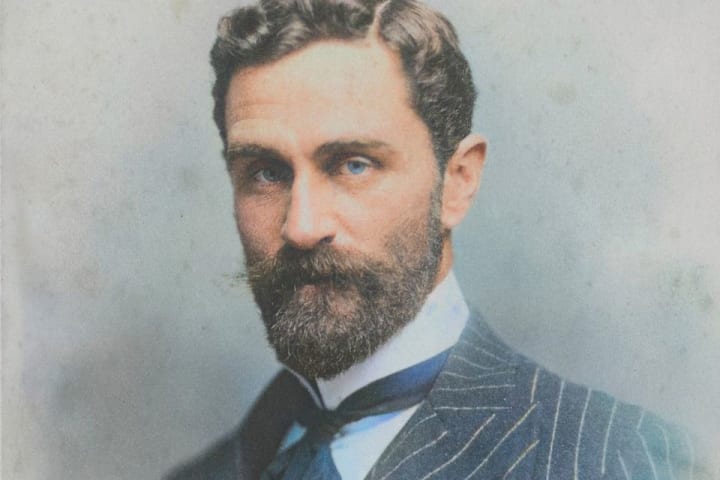
Roger Casement, an Irish nationalist and former British diplomat, was a central figure in the lead-up to the 1916 Easter Rising. His actions, which were viewed as treason by the British government, led to his arrest and a highly publicized trial.
Casement’s “crimes” were related to his efforts to secure German military assistance for the Irish independence movement during World War I. While in Germany, he attempted to organize an “Irish Brigade” from among Irish prisoners of war to fight against the British.
He was also instrumental in arranging for a shipment of arms to be sent to Ireland to support the planned rebellion.
On April 21, 1916, three days before the Easter Rising was due to begin, Casement landed on Banna Strand in County Kerry, having been put ashore by a German U-boat.
He was in poor health and was quickly discovered and arrested by members of the Royal Irish Constabulary. He was charged with high treason. Following his arrest, Casement was taken to the Tower of London and, on May 18, 1916, he was transferred to Brixton Prison to await trial.
While at Brixton, Casement’s defense team, including his lawyer George Gavan Duffy, worked tirelessly to prepare his case. The trial was a major legal and political event, with his defense centered on the argument that the 1351 Treason Act, under which he was charged, did not apply to his actions, which had occurred outside the British realm.
During Casement’s incarceration, the British authorities covertly circulated what became known as the “Black Diaries.” These diaries, which detailed Casement’s homosexual activities, were used to undermine his reputation and discredit the international campaign for clemency.
Casement’s trial for high treason began on June 26, 1916. Despite a vigorous defense, he was found guilty. He was the only leader of the 1916 Easter Rising to be tried in England, and the only one to be hanged instead of being shot by a firing squad.
He was sentenced to death and, on August 3, 1916, he was executed by hanging at Pentonville Prison in London. His body was buried in quicklime within the prison grounds. His remains were not returned to Ireland until 1965.
1 – Dolours Price
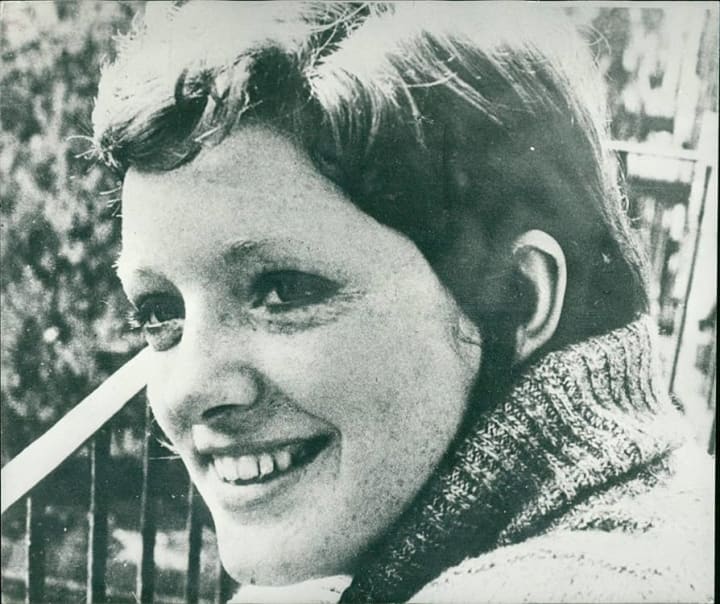
Along with her sister Marian and seven other members of an IRA unit, Dolours Price placed four car bombs, two of which detonated, injuring over 200 people in London in 1973.
On March 8th, 1973, the day of the bombings, Price and her co-conspirators were arrested at Heathrow Airport as they were about to board a flight to Ireland.
They were tried and convicted at Winchester Castle on November 14th, 1973, and originally sentenced to life imprisonment. This was later reduced to a 20-year sentence.
Following their conviction, Price, her sister Marian, and two other men immediately began a hunger strike. Their demand was to be moved to a prison in Northern Ireland, a status that would have given them certain rights, such as not having to perform prison labor and being allowed to wear their own clothes.
The strike lasted for over 200 days, during which time Price was held at Brixton Prison. For 167 of those days, Price and her sister were force-fed by prison authorities.
The process involved being tied down by four male prison officers, having their jaws clamped open, and having a tube inserted down their throats to deliver liquid nourishment. This experience had a lasting impact on her health.
In 1975, the Price sisters, along with two other hunger strikers, were moved to prisons in Northern Ireland. In 1981, Dolours Price was released from prison after serving seven years.
She was released on humanitarian grounds due to her severe ill health, specifically anorexia nervosa, which was a result of the hunger strike and force-feeding by prison authorities.
Thanks for watching, we have hundreds more true crime videos and you can check out two of them in the boxes above, remember to subscribe with notifications as we have videos publishing every week.
Related posts:
 Top 10 Most Dangerous Female Prisoners In Bronzefield Prison UK
 Top 10 Most Dangerous Prisoners Held In Full Sutton Prison
 10 Terrifying Inmates: The Deadliest Secrets on Indiana Death Row
 15 Most Dangerous Soldiers Serving Life In Military Prison
 Top 50 Most Dangerous Prisoners On Whole Life Order Sentences
 The Trillionaire Mindset of Bruce Willis & His Billionaire Lifestyle

